What is wet Hijama?
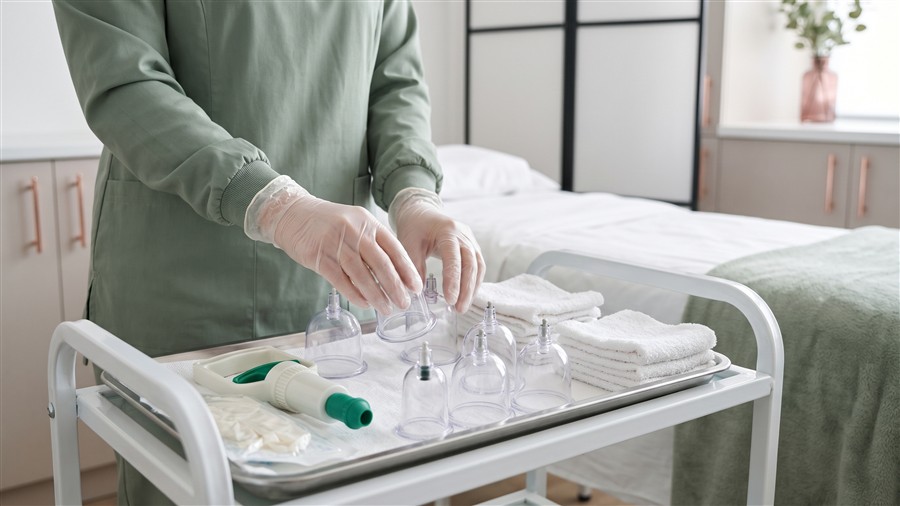
Wet Hijama combines suction from cups with small skin incisions. Unlike dry cupping, it involves blood and breaks the skin. Your practitioner should explain the proposed treatment areas, what you may feel, relevant risks and aftercare before you consent.
A practice rooted in the Sunnah
For many Muslim women, Hijama forms part of a personal approach to wellbeing informed by the Sunnah. Herjama respects that spiritual context while recognising that faith, treatment choice and clinical suitability are individual matters.
Discuss your health before treatment
Tell the practitioner about prescribed medicines, blood-thinning medicines, bleeding conditions, anaemia, pregnancy, diabetes, skin problems, recent surgery and other relevant health concerns. Do not stop prescribed medication to receive cupping. Ask your healthcare professional when you need medical advice.
Marks, risks and realistic expectations
Wet cupping can leave marks and may cause discomfort, bleeding, infection or scarring. Outcomes vary. Cupping is a complementary practice and should not replace medical assessment or prescribed treatment.
What happens next?
Enquire about availability and the suitability review. You can ask questions, choose not to proceed or withdraw agreement before treatment. Your practitioner should confirm the plan with you at the appointment.