Equipment and infection control
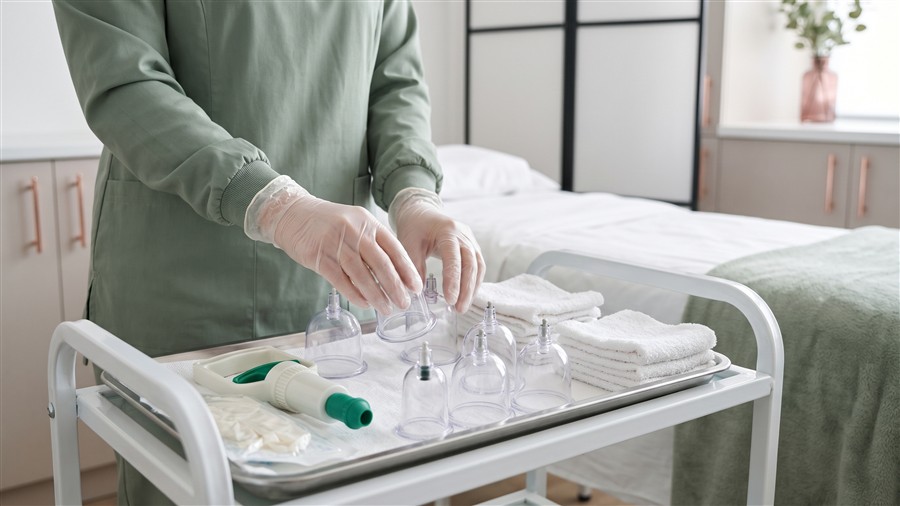
Ask how cups and other equipment are handled, which items are single-use, how the skin is prepared and how treatment surfaces are cleaned. For wet Hijama, ask about sterile skin-piercing equipment and how used sharps and blood-contaminated materials are contained and disposed of.
Your individual suitability
Health conditions and medicines can affect whether treatment should proceed. Share relevant information, including blood-thinning medication, bleeding disorders, anaemia, pregnancy, diabetes, recent surgery and skin problems. A website cannot give personal medical clearance.
Understanding the risks
Cupping can cause skin marks and discomfort. Potential harms include persistent discolouration, scarring and infection. Wet cupping involves additional considerations because it breaks the skin. Discuss your individual concerns before consenting.
Your right to choose
Consent should be voluntary and informed. You can ask about alternatives, decide not to proceed, restrict treatment areas or stop a session. Completing a pre-appointment form is not automatic approval for treatment.
Evidence and further reading
The US National Center for Complementary and Integrative Health explains that research on cupping is limited and that evidence for pain relief is not strong. Its cupping overview also discusses potential harms. Read the source below and discuss personal medical questions with a qualified healthcare professional.
Further reading: NCCIH: cupping evidence and safety.