How dry cupping differs from wet Hijama
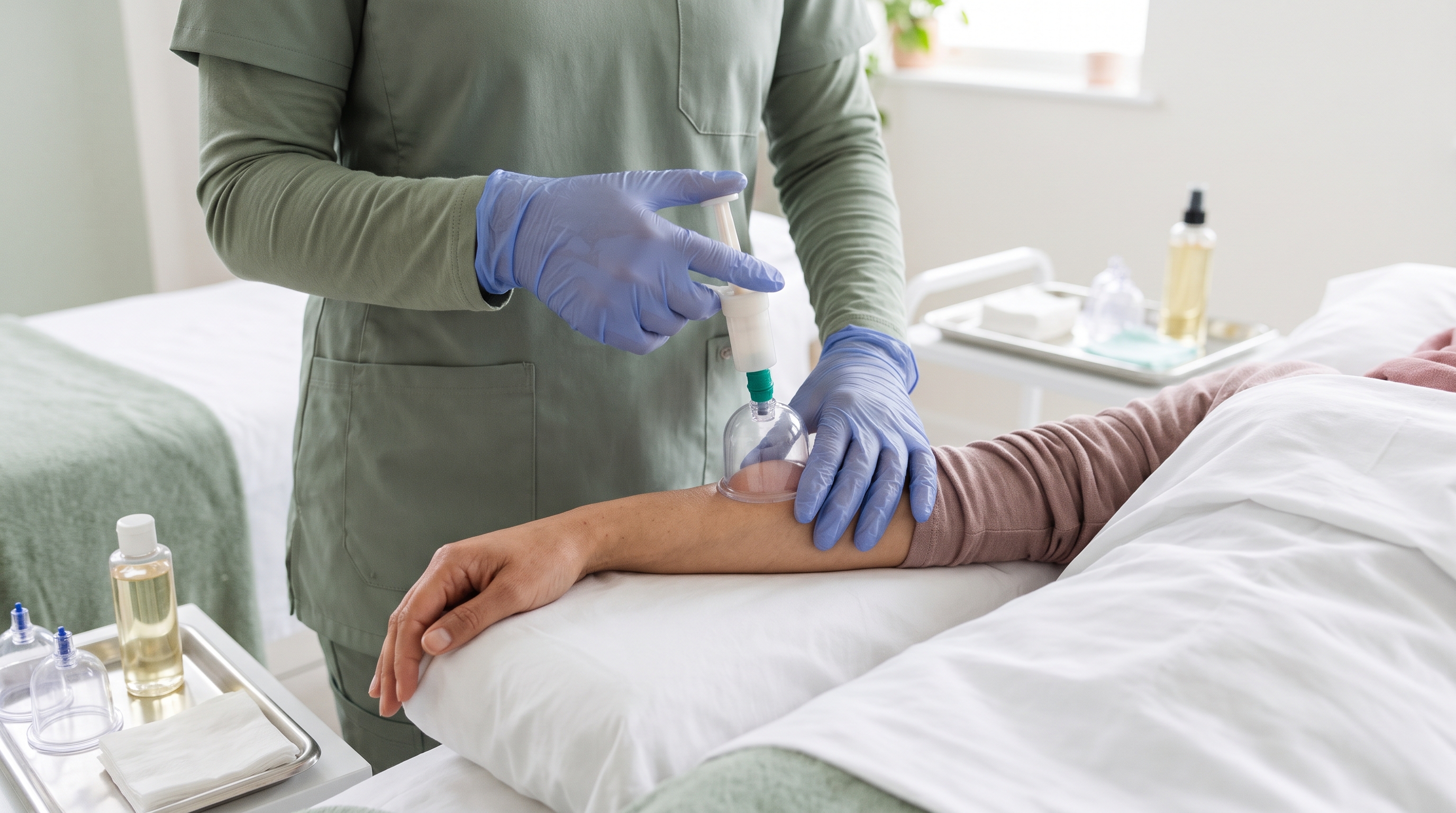
Dry cupping uses suction on the skin without the small incisions involved in wet Hijama. Your practitioner can explain the type of cups used, the areas proposed and how the pressure will be adjusted.
What might I feel?
You may feel pulling or tightness where a cup is placed. Tell the practitioner immediately about pain, dizziness or discomfort. Ask to reduce pressure, pause or stop whenever you need to.
Can dry cupping leave marks?
Temporary circular discolouration or bruising may follow cupping. Ask what is expected for your skin and treatment, how long marks may last and what symptoms should prompt medical advice.
Preparing for your consultation
Bring details of your medicines, relevant diagnoses, allergies, skin conditions and previous reactions to cupping. Discuss pregnancy or possible pregnancy before booking. A non-incision technique still requires an individual suitability assessment.
Choosing a treatment
Read about wet Hijama and massage cupping if you are comparing options. Enquire with Herjama to discuss what you are looking for; you do not need to select a treatment before asking questions.